
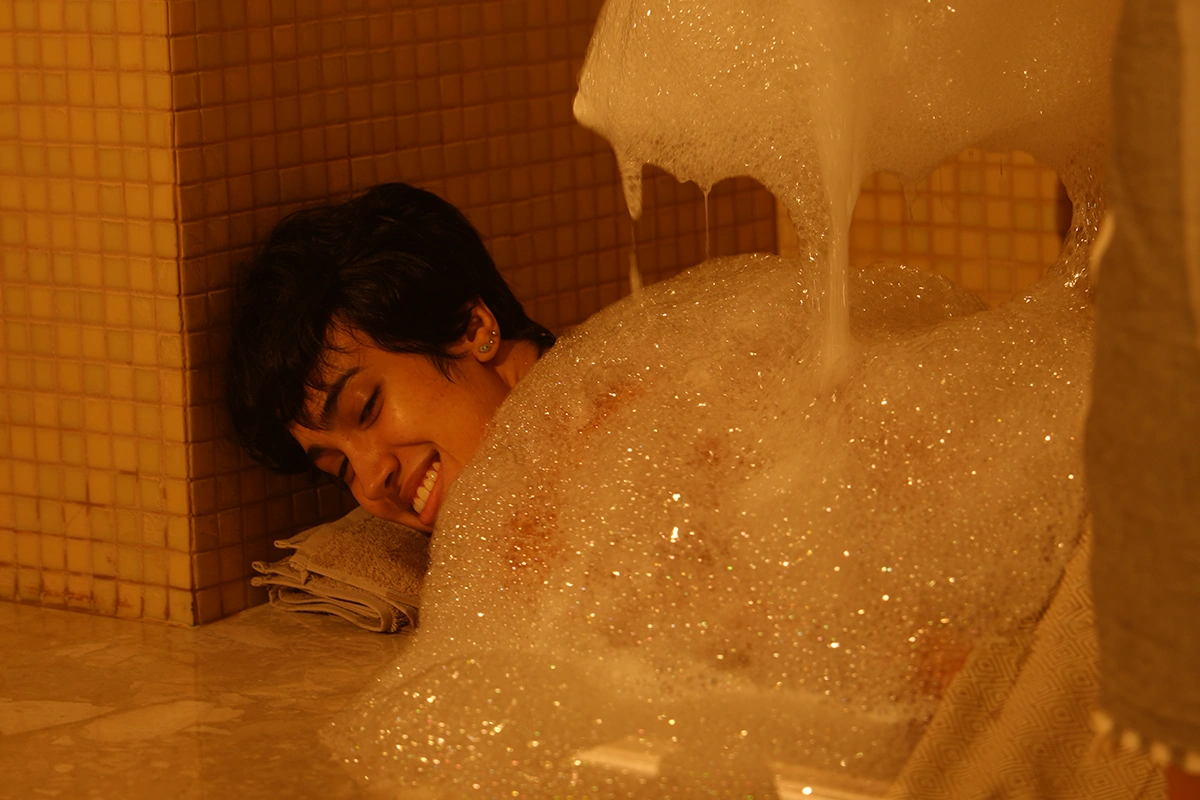
Hammam culture in Istanbul is one of the most deeply rooted habits the city has gathered over the centuries. Light filtering through small windows at the top of the dome, the warm texture of marble, skin refreshed by the scrub mitt and the deep relaxation that follows… The hammam has never been just a place to wash; it has been a space where social life, celebrations and personal care come together. In this article we take a short journey to the origins of the hammam, describe the stages of the ritual and share how you can experience this tradition in Istanbul today, in a modern spa setting.
From Roman Baths to the Ottomans: The Origins of the Hammam
The tradition of bathing with hot water and steam goes back a very long way in Anatolia. The public baths that became widespread in the Roman era were built around a sequence of cold, warm and hot rooms. In the Byzantine period, this culture continued as part of city life. The Seljuks and then the Ottomans combined this heritage with their own approach to cleanliness and their social customs, shaping the structure we know today as the “Turkish bath”.
In Ottoman times, hammams were usually located at the heart of neighbourhood life, alongside buildings such as mosques, markets and madrasas. Because water and cleanliness held an important place both in daily life and in spiritual life, the hammam became a meeting point everyone visited. The many historic hammams still standing today in Istanbul’s historic peninsula and in the neighbourhoods along the Bosphorus show how deep this tradition runs.
Why Was the Hammam a Social Space?
In the past, the hammam was not simply a place to go and wash. For women in particular, it was one of the most enjoyable gatherings of the week; food was prepared and conversations went on for hours. Traditions celebrating life’s important thresholds, such as the bridal hammam or the hammam visit after childbirth, were also part of this culture. For men, the hammam was a place to shake off the day’s fatigue and catch up with neighbours.
This social dimension turned the hammam into a “ritual”. Going to the hammam required a certain preparation, a certain order and a certain slowness. It would not be wrong to say that the idea of “making time for yourself” that we seek in spa culture today has been lived in Istanbul for centuries through the hammam.
The Stages of the Ritual: Warming Up, Scrub and Foam
A traditional hammam experience is enjoyed without hurry and in a set order. Each stage has a purpose:
- Warming up: You lie on the warm marble belly stone or sit in the hot room, allowing the body to warm up and the pores to open.
- Scrub: The skin, moistened with warm water, is rubbed with a special mitt to help remove dead skin. After the scrub, the skin feels softer and smoother.
- Foam: Soap foam, inflated with a cotton bag, is spread over the body and a gentle massage is applied. This is one of the most relaxing moments of the ritual.
- Rinsing and rest: The body is rinsed with warm water, wrapped in a towel and left to rest; the ritual usually ends with a glass of tea or a refreshing drink.
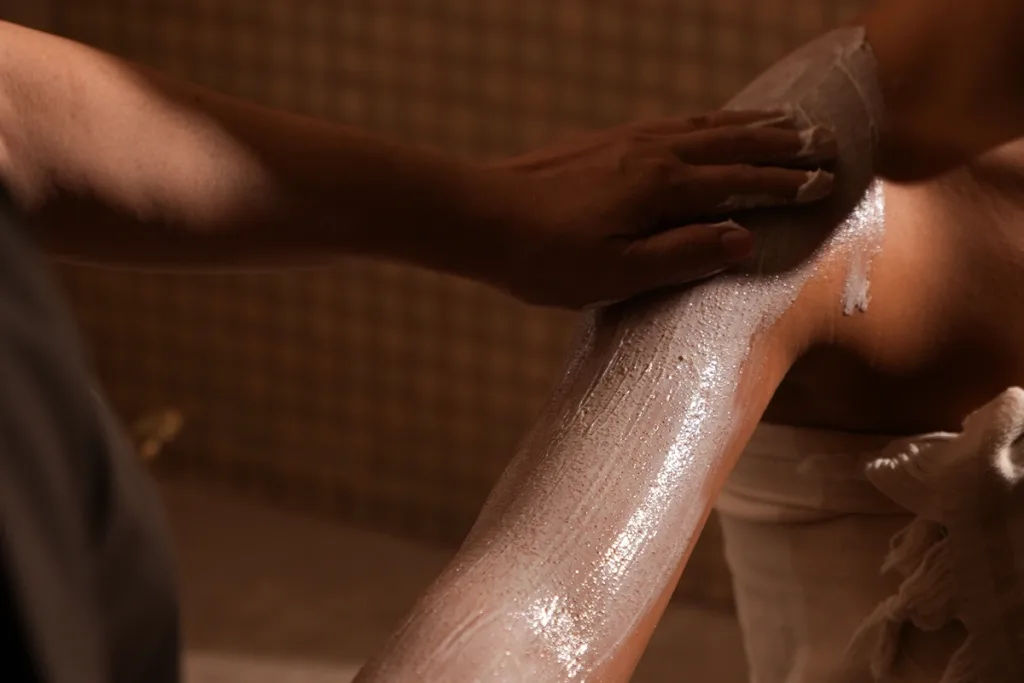
This order lets the body move slowly from heat to coolness and from movement to stillness. The feeling of lightness that follows the scrub and foam is one of the main reasons the hammam has been loved for centuries.
Marble, Dome and Water: The Language of Hammam Architecture
The architecture of a classic hammam is also part of the ritual. The entrance section, the changing hall, is an area for resting and getting ready. The warm room that follows provides a transition so the body can adjust to the heat. In the centre of the hot room sits the belly stone: a large marble platform heated from below, on which you lie.
The small glass windows in the domes create a dim yet warm light. Marble’s ability to retain heat, combined with the sound of water, creates a serene atmosphere. That is why the hammam is a space you can feel even with your eyes closed. It is no coincidence that many modern spa designs draw inspiration from this warm, stone-and-water-centred language.
Hammam Today in Istanbul: Tradition Meets Modern Spa
Today there are two ways to enjoy a hammam experience in Istanbul: visiting a historic hammam or experiencing the traditional ritual in a modern spa setting. The second option is a practical alternative, especially for those who live and work along the city’s northern axis. If you are curious about this transformation in more detail, you can also read our article on integrating the traditional Turkish hammam with the modern spa.
At O’SPA, located at Skyland Istanbul in Sarıyer, the traditional hammam with its marble belly stone sits under the same roof as a Finnish dry sauna, a steam room and a relax lounge where herbal tea is served after your session. You can explore all the areas on our facility page. Free indoor parking for our guests makes visiting easy even during heavy traffic hours.
If you would like to enjoy the hammam’s classic scrub and foam step on its own, the 30-minute Scrub & Foam Treatment is a good place to start. If you want to give the ritual to someone you love, the Hammam Ritual gift package is valid for 1 year; please contact us on WhatsApp for pricing.
Small Tips to Enjoy the Hammam More
Whether you are going for the first time or are a devoted hammam lover, a few simple habits make the experience more enjoyable:
- Try not to eat a heavy meal before the hammam; a light snack is enough.
- Do not rush the warming-up stage; the scrub is more comfortable on well-warmed skin.
- Drink plenty of water and herbal tea during and after the hammam.
- After the scrub, avoid exposing your skin to the sun or harsh chemical products right away.
- If you are pregnant, or have blood pressure or cardiovascular conditions, consult your doctor before using the hot areas.
For those who want to combine scrub and foam with massage during seasonal transitions, our spring purification guide also offers useful ideas.
Why Experience the Hammam at a Spa Rather Than at Home
A hot shower at home cannot replace the experience a hammam offers. In the hammam, marble that warms the body, humid air and experienced hands applying the scrub and foam all come together. This combination sets the ritual apart from ordinary washing and turns it into a break that also rests the mind.
Frequently Asked Questions
How often is it good to go to a hammam?
This depends entirely on your skin type and habits. Because the scrub cleanses the skin intensively, many people prefer to have it every few weeks. If you have sensitive skin, you can leave longer intervals.
What do you wear in a hammam?
Traditionally, a peshtemal (a thin cotton wrap) is used. In modern spa settings, a peshtemal and towel are provided to respect your privacy, so you can take part in the ritual in whatever way feels comfortable.
What is the difference between a hammam and a sauna?
The hammam is a purification ritual based on scrub and foam in a humid, warm-to-hot environment. The Finnish sauna focuses on sweating in dry, higher heat. At O’SPA you can experience both during the same visit.
To enjoy hammam culture in Istanbul with modern comfort, we welcome you at O’SPA every day from 09:00 to 23:00. For bookings and information, reach us by phone or WhatsApp at +90 539 675 76 76.


